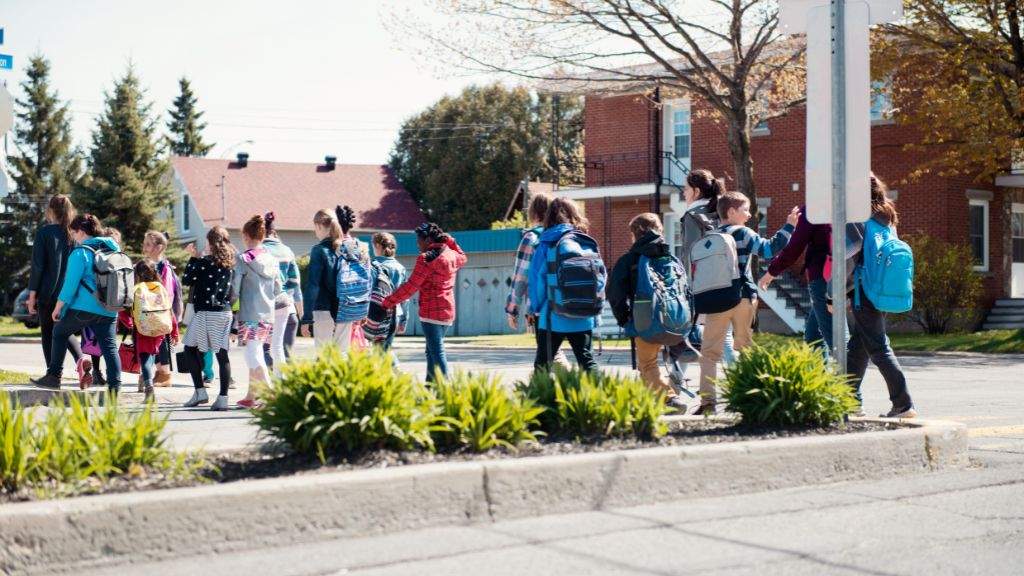
The first week of September brings a predictable scene across Central Massachusetts. Kids are standing at the end of driveways waiting for the bus, parents are pulling in and out for drop-off in a hurry, and everyone’s paying a lot more attention to that stretch of pavement than they did all summer. If your driveway has a crumbling edge, a pothole near the street, or a crack that’s been slowly widening since spring, this is the season it becomes impossible to ignore.
It’s also one of the last realistic windows to get paving or sealcoating done before the calendar starts working against you.
In this article:
- Why September Traffic Exposes Driveway Problems You Missed All Summer
- The Trip and Slip Hazards Worth Fixing Before Kids Are Back Outside
- Why Late Summer Is the Smart Window for Sealcoating
- A Quick Pre-School Driveway Checklist
- What Happens If You Wait Until October or Later
- Getting Ahead of the Fall Rush
Why September Traffic Exposes Driveway Problems You Missed All Summer
A driveway that saw light, occasional use all summer suddenly gets a lot busier once school starts. More trips in and out for drop-off and pickup, more foot traffic from kids walking to a bus stop or waiting at the curb, and often more cars if carpools or after-school activities are involved. Wear patterns that were easy to overlook in July become obvious in September, simply because the surface is being used differently.
This is also the point in the year when summer’s effects on the asphalt itself start to show. UV exposure and heat cause the binder in asphalt to gradually oxidize over the warm months, which is part of why a driveway that looked fine in June can look noticeably duller, drier, or more prone to small surface cracks by late August.
The Trip and Slip Hazards Worth Fixing Before Kids Are Back Outside
Once kids are walking to bus stops, riding bikes to friends’ houses, or just spending more time near the driveway again after a summer indoors or at camp, small pavement defects stop being cosmetic issues and start being safety issues. Worth checking for:
- Cracks or heaved sections that create an uneven walking surface
- Loose gravel or crumbling asphalt at the edges, which can shift underfoot
- Potholes near where kids stand for pickup or the bus
- Low spots that collect water and could ice over once temperatures start dropping later in fall
- Any area where the surface has separated from a walkway or the garage apron
None of these require a full driveway replacement to fix. Many can be addressed with patching or crack filling, especially if they’re caught before winter makes them worse.
Why Late Summer Is the Smart Window for Sealcoating
If your driveway is basically sound but starting to look faded, dry, or lightly cracked, late summer into early fall is one of the better times to schedule sealcoating. The pavement needs to be fully cured and the weather warm and dry enough for the sealcoat to bond and set properly, conditions that late August and September in Massachusetts generally provide.
As Mike Kniskern, owner of Blacktop Services, points out, a lot of homeowners wait until a driveway actually looks bad before they think about sealcoating, when the real value is in doing it while the surface is still in decent shape. Sealcoating protects what you already have. It isn’t meant to fix a driveway that’s already breaking down structurally.
That’s the piece people tend to get backward. Sealcoating a driveway with real cracks or base problems just seals moisture in rather than out. Getting the timing right, and getting an honest assessment of whether your driveway needs repair first or is a good sealcoating candidate as is, matters more than the sealcoating itself.
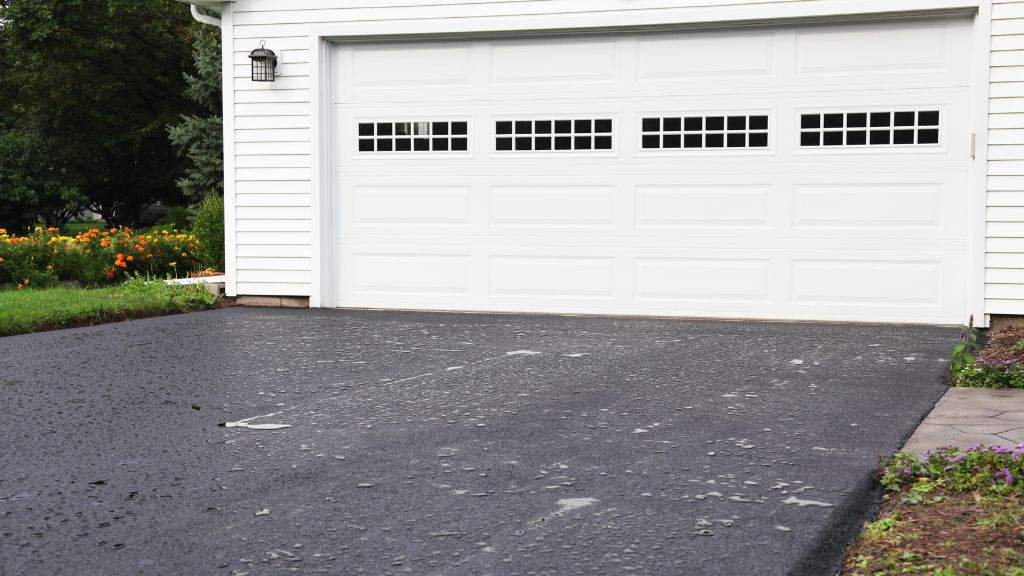
A Quick Pre-School Driveway Checklist
Before the first day of school arrives, it’s worth walking your driveway from the street to the garage and checking for:
- Any crack wider than a coin, or one that’s grown noticeably since spring
- Standing water after a normal rain
- Crumbling or separated edges along the lawn or curb
- Faded, dry-looking asphalt that hasn’t been sealed in a few years
- Uneven spots near where kids typically stand or walk
If two or more of these apply, it’s worth getting a professional opinion rather than guessing at what the driveway actually needs.
What Happens If You Wait Until October or Later
Massachusetts contractors work within a real seasonal window, and that window starts closing as fall progresses. Sealcoating needs warm, dry conditions to cure properly, and asphalt patching and paving both depend on temperatures that hold up through the day and into the evening. Wait too long into fall, and the same crack or pothole that could have been handled in September ends up going into winter unaddressed, which almost always means it comes out the other side of the freeze-thaw season bigger, not smaller.